There’s a moment I think about from one of my favorite weddings. Small guest list. Close people. And a couple who almost didn’t hire a photographer because they weren’t sure a small wedding would be “worth it” photographically — like somehow fewer guests meant fewer moments worth capturing.
What they got instead was a gallery full of things I never could have caught at a 200-person reception. The quiet exchanges. The faces in the second row. The unscripted, nobody-planned-for-this moments that became the whole story.
That’s the real intimate wedding advantage. And it goes deeper than most people talk about.
What’s Actually Different About Photographing a Smaller Wedding
You’ll hear a lot of vendors say intimate weddings are “more meaningful.” And sure — but that’s also a pretty easy thing to say. Let me tell you what’s actually different, because the mechanics matter.
Coverage becomes depth, not breadth.
At a 150-person wedding, I’m working hard to document everyone. There are more moving pieces, more family dynamics, more formal portraits to check off, more reception moments competing for attention. A significant portion of my mental energy goes to logistics — where’s the next family group, what’s the timeline, am I in the right position for the first dance entrance.
At a wedding of 20-40 guests, that math changes completely. I’m not trying to cover a crowd. I’m following a story. I can linger. I can stay in one room long enough to catch the third and fourth emotional beat, not just the first one. I can be in the corner quietly while the couple has a private moment with a parent, rather than rushing to set up the next shot.
The result is a gallery that feels less like a highlight reel and more like a film.
Technically, you have so much more freedom.
Smaller spaces. Quieter environments. Fewer bodies between me and the moment I’m trying to capture. At an intimate wedding, I can often shoot in natural light for nearly the entire day — window light during getting ready, open shade during ceremony, golden hour for portraits — without fighting fluorescent ballroom lighting or navigating a flash setup in a crowded venue. That tends to produce images that feel warmer and more organic than big-venue receptions where artificial light is unavoidable.
There’s also access. At a reception of 150, the couple spends the bulk of the evening table-hopping and getting pulled in every direction. At an intimate wedding, they’re often with their people — sitting, laughing, actually present — and I get to document that instead of documenting a couple sprinting between obligations.
The honest caveat: it’s a different kind of pressure.
Here’s the thing nobody really says: intimate weddings can actually be harder in one specific way. There’s nowhere to hide. At a large wedding, if I miss a moment, there’s usually another one right around the corner. The sheer volume of activity creates a kind of safety net.
At a small wedding, the timeline is quieter. There are fewer built-in “big” moments. The stakes of each shot feel higher. I have to be even more tuned in — not just to the schedule, but to the room. Who’s about to cry. When the energy is shifting. What’s about to happen between those two people in the corner. It requires a different kind of attentiveness, and honestly? I find it more demanding and more rewarding in equal measure.
What Couples With Small Guest Lists Get Wrong Before They Book
I have this conversation more than almost any other: a couple planning an intimate wedding reaches out, and within the first few messages, I can tell they’ve already talked themselves into expecting less.
Less coverage. Less “worth it.” Less of a photography experience.
Here’s what I find myself explaining over and over:
“Will there be enough to photograph?”
Yes. Always yes. The number of guests does not determine how much emotional content your wedding has. It determines how many people are in the room — and those are not the same thing. A wedding with 18 people can generate a gallery of 400 images that all feel meaningful. A wedding with 200 people can produce 800 images where half feel generic.
What creates compelling wedding photography isn’t volume. It’s connection, presence, and light. Intimate weddings tend to have all three in abundance.
“Should we skip the engagement session since it’s a small wedding?”
Please don’t. If anything, the engagement session matters more for intimate weddings. Here’s why: with a smaller guest list, I won’t have a cocktail hour crowd to blend into while you adjust to the camera. We’re going to be closely together all day. The engagement session is how we build the trust that makes everything else feel natural — it’s how you stop looking at me like I’m there to document you and start forgetting I’m there at all. That’s where the real images come from.
The assumption I push back on the hardest:
A lot of couples planning intimate weddings have internalized the idea that choosing a small guest list means settling. Settling for less spectacle, less of a “wedding feel,” less to show for it at the end of the day.
I’d argue the opposite. An intimate wedding is a choice to optimize for what actually matters — the people you love most, in a space that feels like you, without the noise. The photography reflects that. The galleries from my intimate weddings are consistently the ones where I look back and think: that’s exactly who they are.
That’s not a consolation prize. That’s the point.
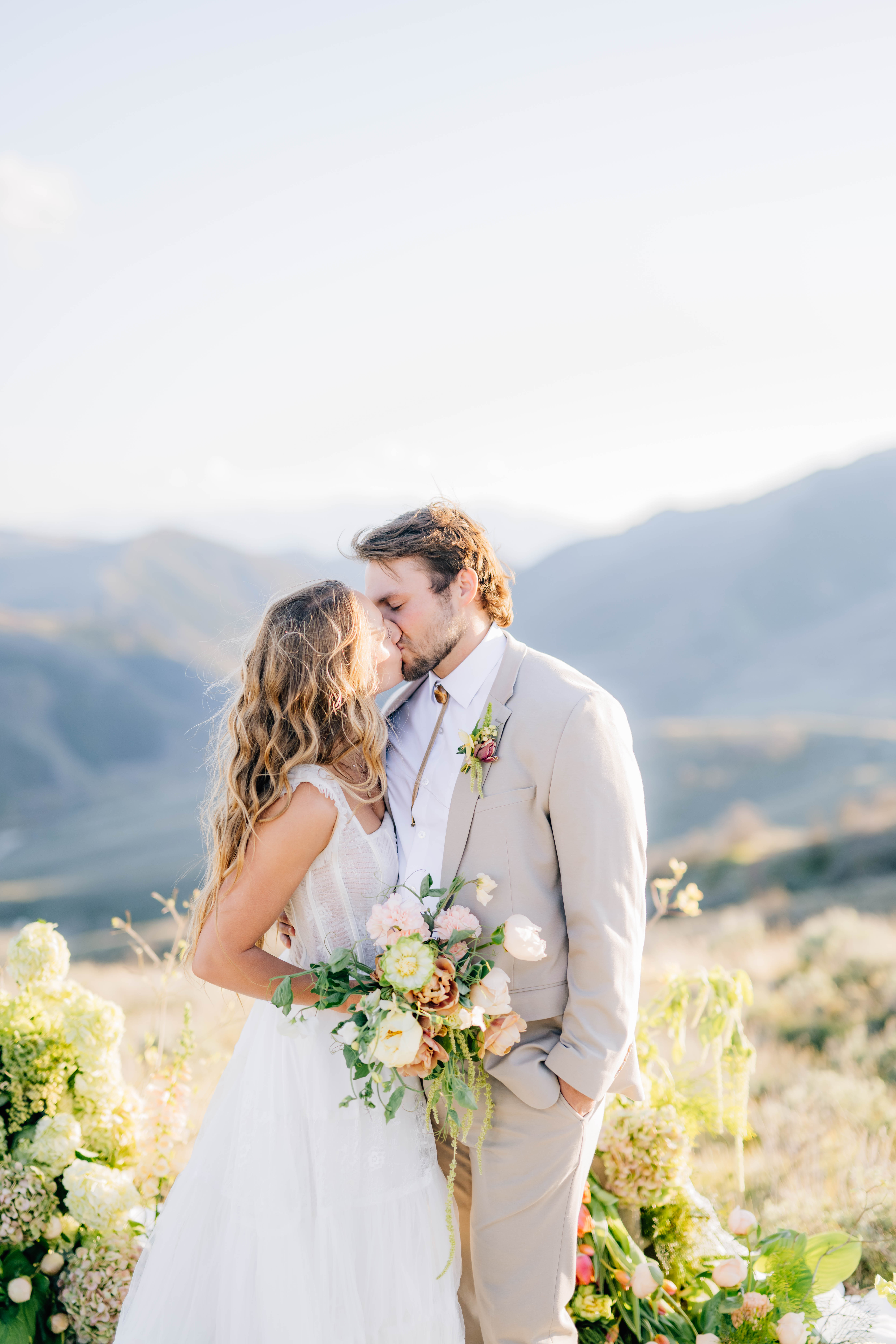
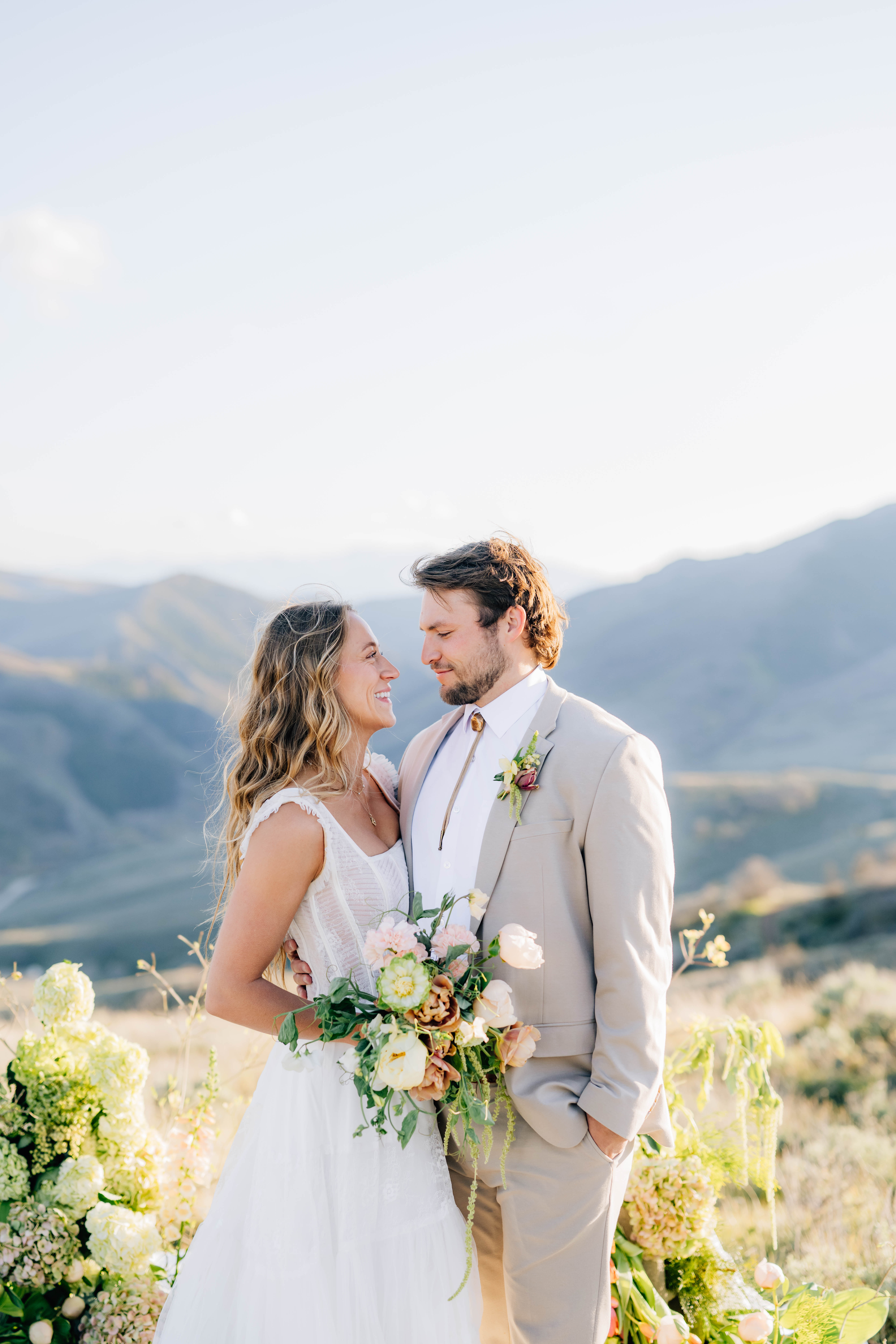
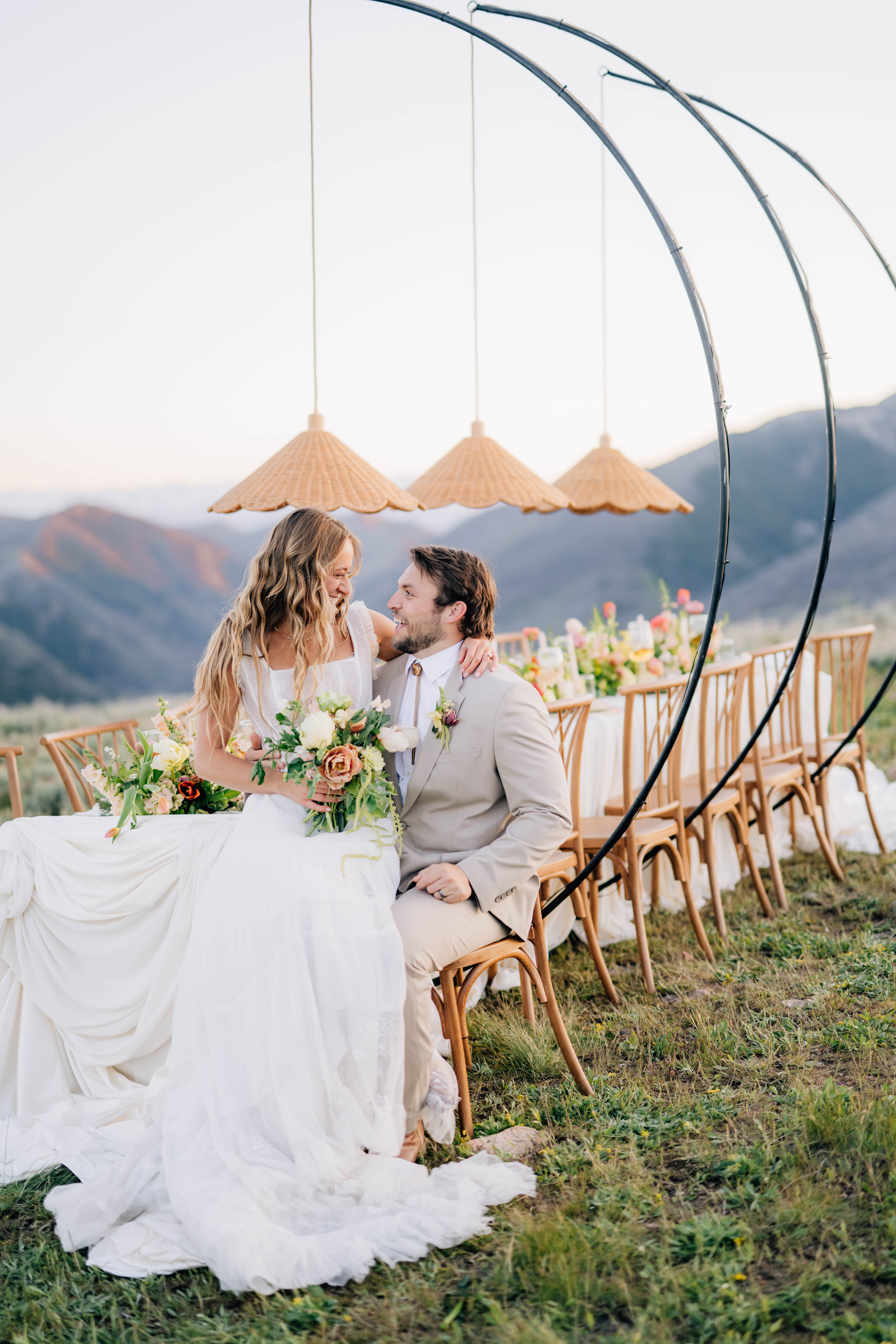
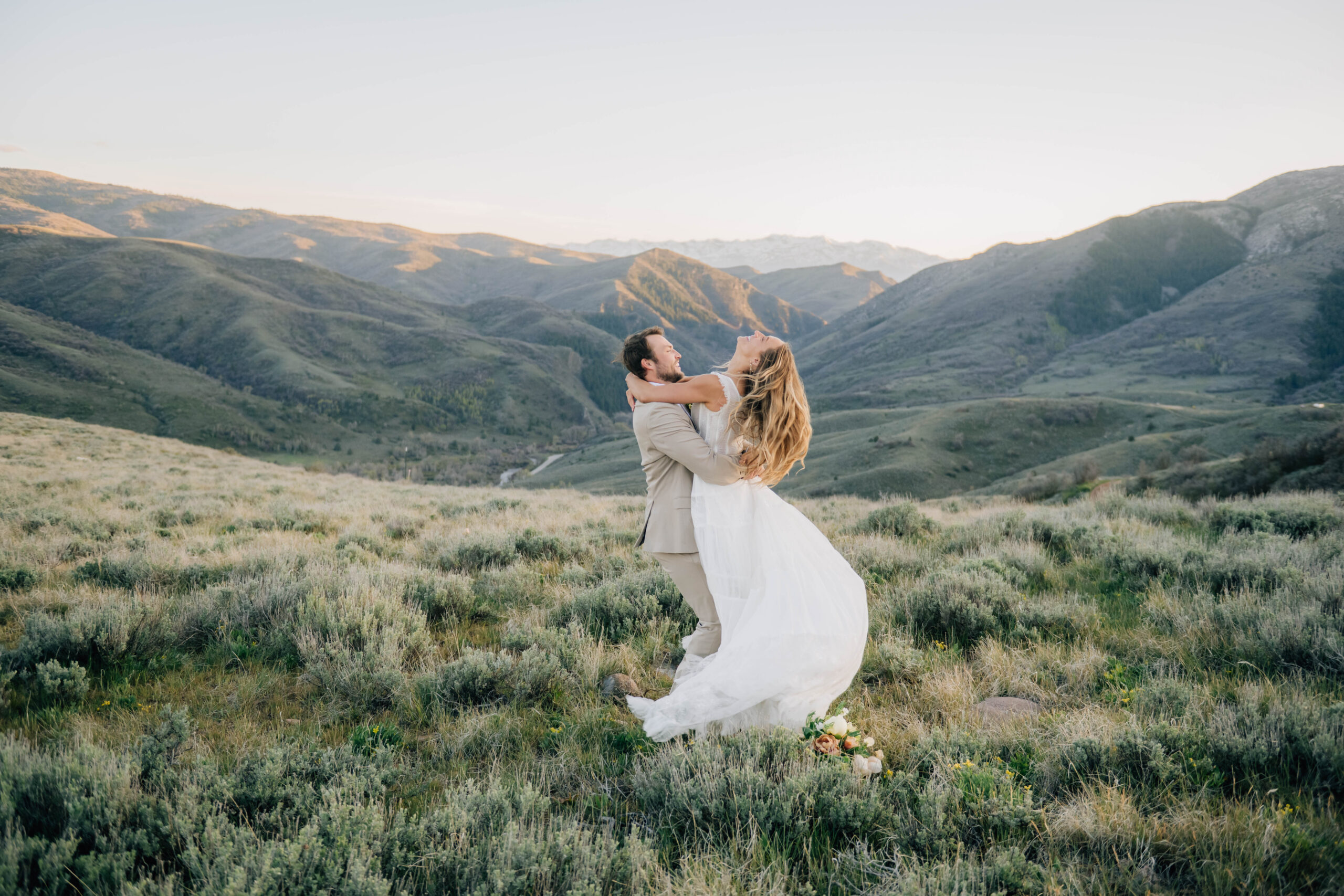
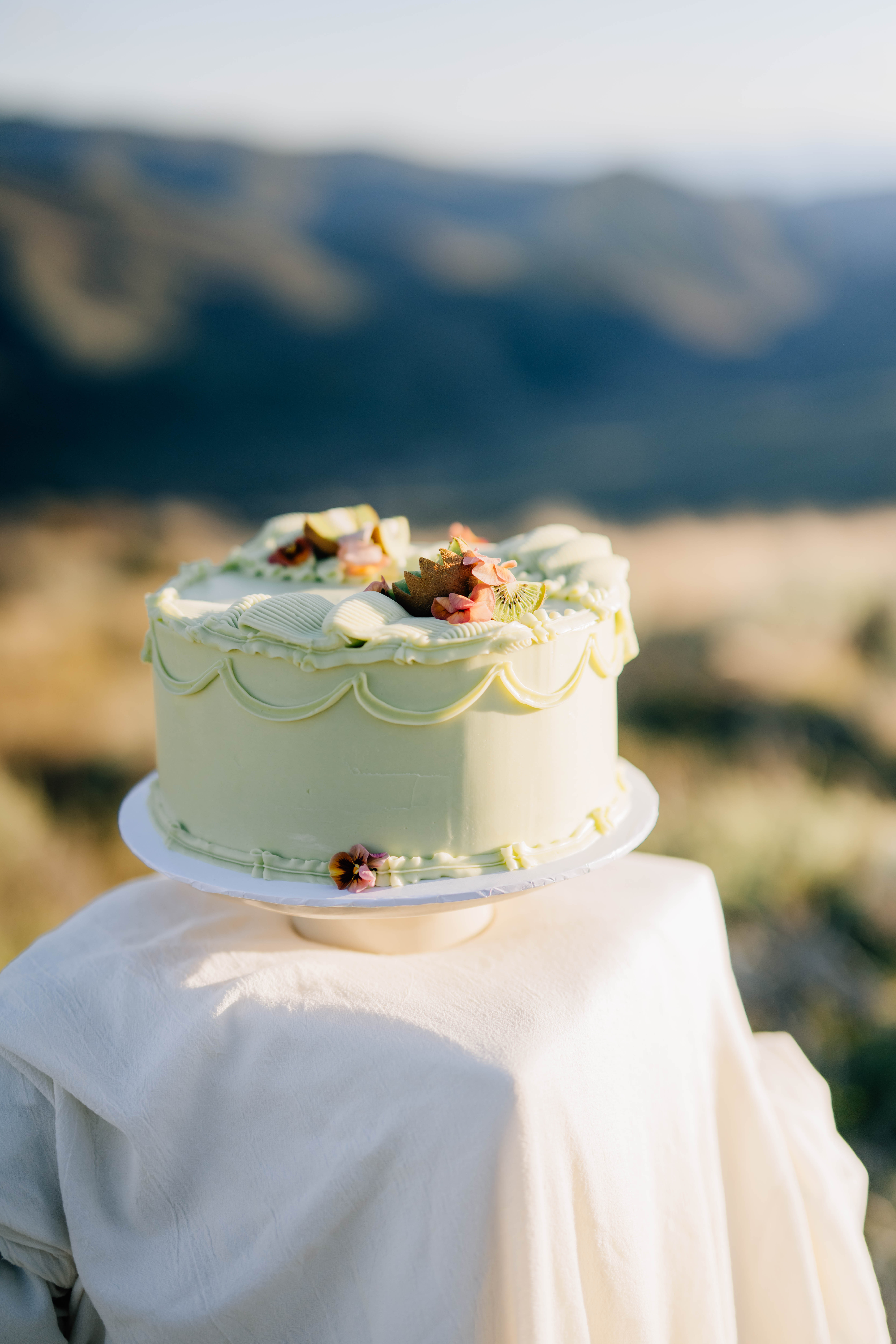
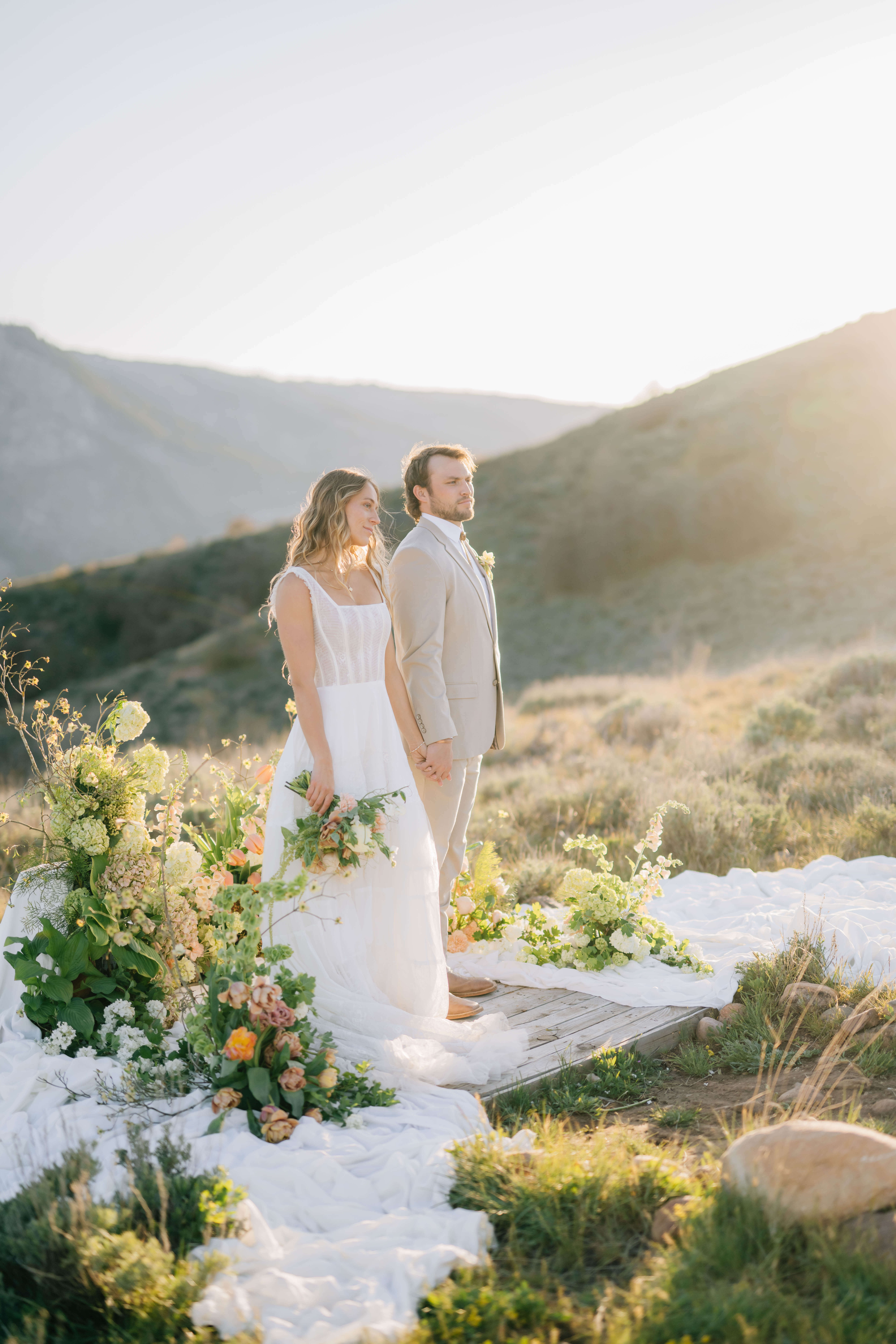
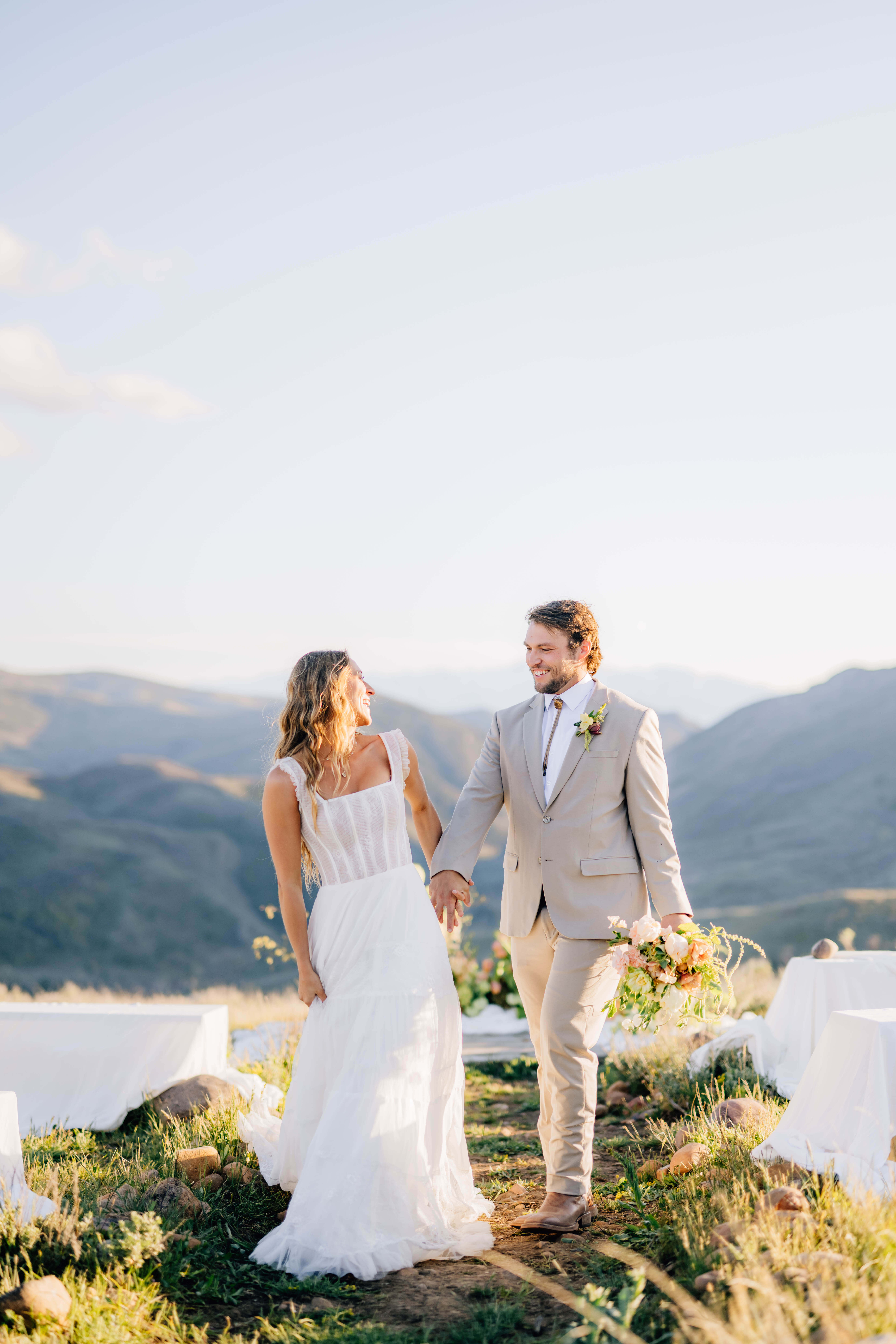
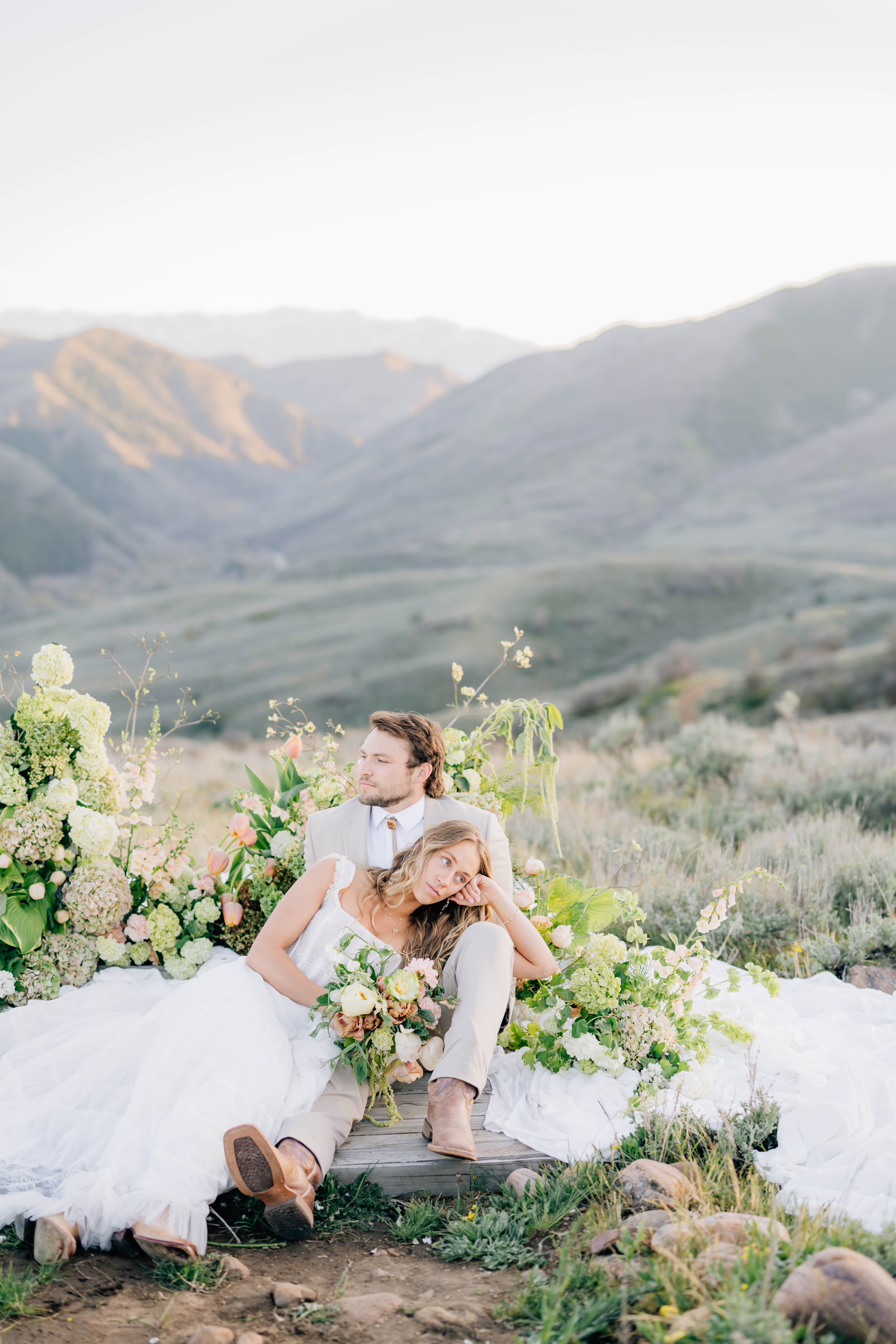
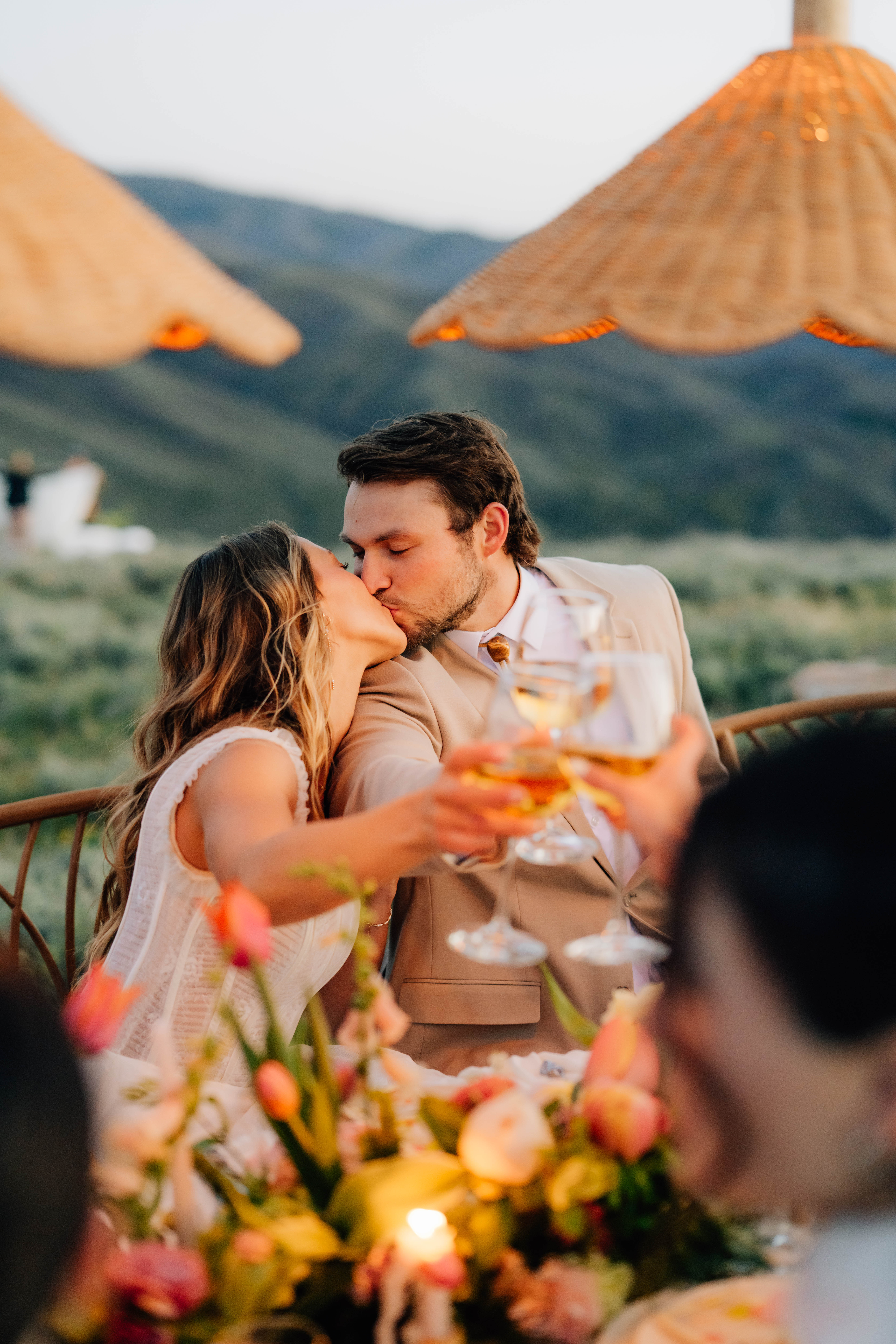
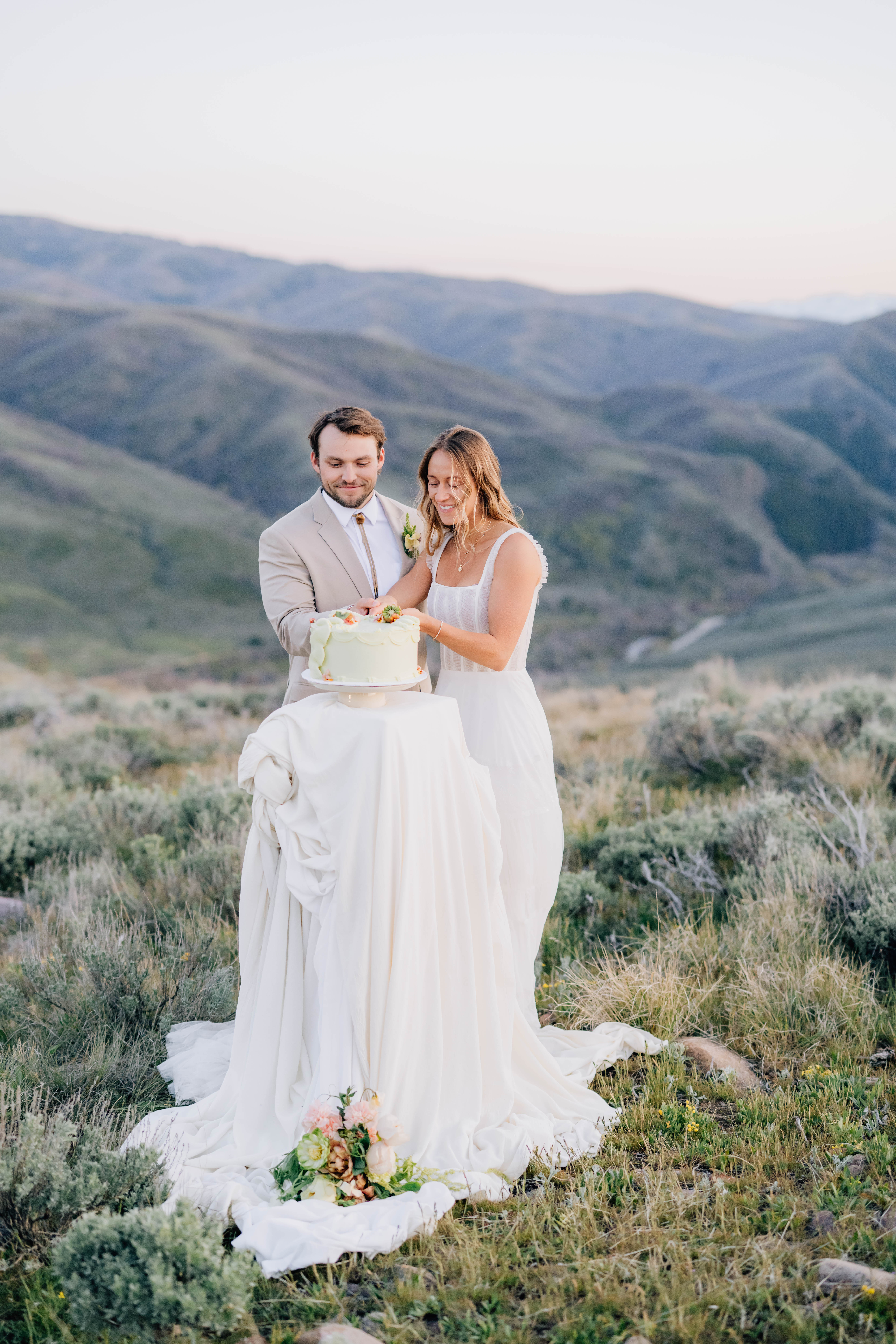
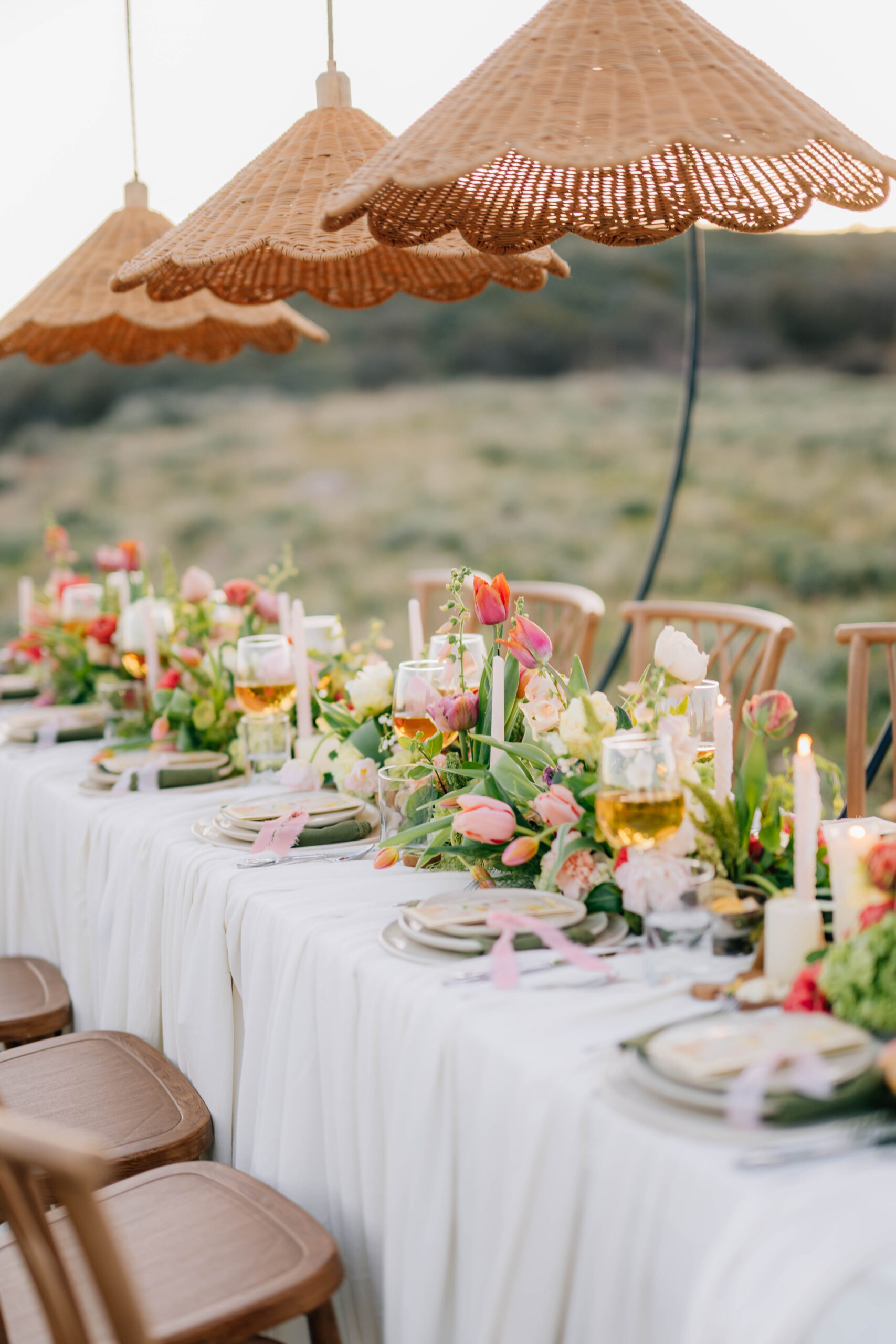
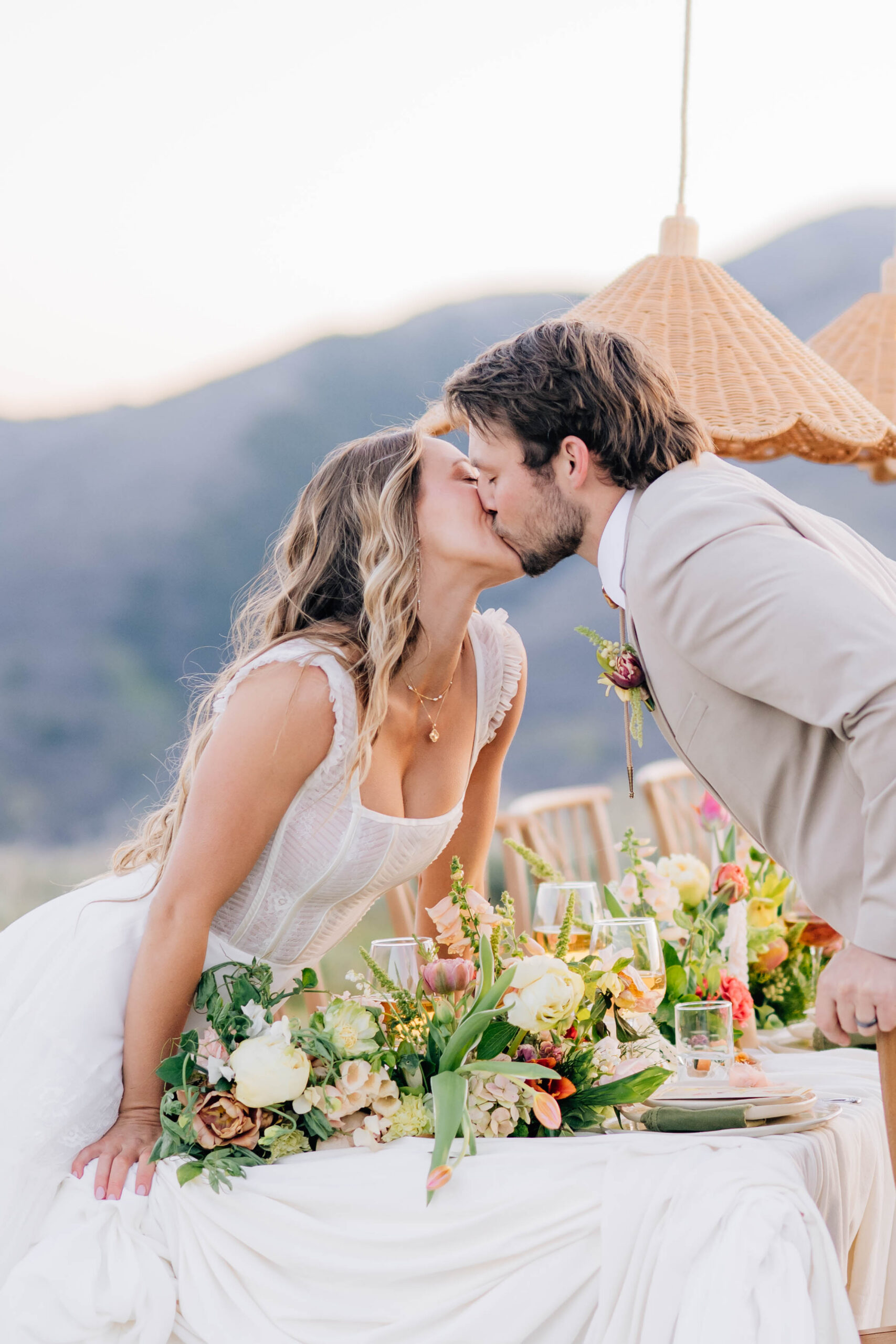
Meet Me in the Mountains Intimate Wedding Gallery







So, Is an Intimate Wedding Right for You?
If you’re planning a smaller wedding in Utah, Southern California, or New Jersey and you’re wondering whether it’s “worth it” to invest in photography — I’d gently reframe that question. The real question is whether the story of your wedding day is worth telling well.
If the answer is yes (and it is), then the size of your guest list isn’t a limitation. It might actually be your biggest advantage.
I’d love to talk through what your day looks like and how we’d approach it together.